
Carpet & Rug · October 21, 2026
Spill First Aid for Carpet and Upholstery: The First Ten Minutes
What to do in the first ten minutes after a spill on carpet or a sofa, what to avoid, and when to stop and call. Blot, do not rub, and skip the wrong product.
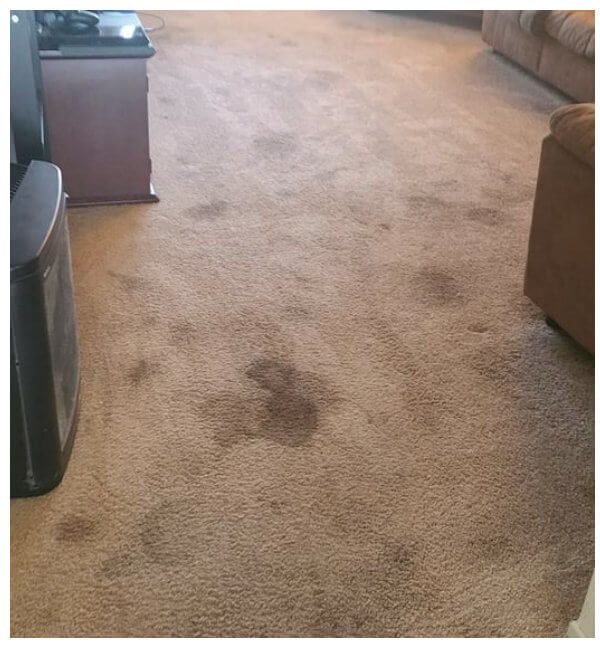
Most stains are not decided by the spill. They are decided by what happens in the next ten minutes. A glass of red wine on a light carpet can come out almost entirely, or can become a permanent mark, and the difference is often what the first person to reach it did with a towel.
Here is what to do, in order, and what to leave alone.
The first minute: blot, do not rub
Grab a clean, dry, white cloth or a handful of paper towels. White matters, because a colored cloth can transfer dye into a wet carpet.
Press down on the spill and lift. Work from the outside of the spill toward the middle, so it does not spread. Switch to a clean part of the cloth as it takes up liquid, and keep going until the cloth comes up nearly dry.
Do not rub or scrub. Rubbing pushes the liquid deeper into the fibers, spreads it into a wider patch, and can damage the pile, so it looks worn as well as stained. The aim is to lift the liquid out, not work it in.
If something solid spilled, such as food or mud, lift the solid part gently with a spoon first, working from the edge in.
Minutes two to five: cool water and more blotting
Once the bulk is lifted, use cool or lukewarm water. Lightly dampen a clean cloth, not the carpet, and blot the spot. Then blot with a dry cloth to take the moisture back out. Repeat a few times.
Do not pour water on the spill. Too much water pushes the stain through the carpet into the padding, where you cannot reach it and where it can wick back to the surface as the carpet dries.
Avoid hot water. Heat sets many stains, particularly protein-based ones such as milk, blood, and some pet accidents. Cool is safer.
What not to reach for
The cupboard under the sink is full of products that make a stain worse.
- Bleach. It removes color from the carpet as well as the stain, and the mark it leaves is permanent.
- Strong or acidic home remedies. They can damage fibers, move dyes, and on some carpets leave a ring.
- Heavy detergent or soap. Soap left behind is the same residue problem we see in carpet that has been cleaned before: it attracts soil, and the spot reappears and gets dirtier faster than the rest of the carpet.
- Heat from an iron or hair dryer. It sets the stain.
- Too much of anything. More product is rarely better, and what stays in the carpet becomes the next problem.
If you want to try something stronger than water, test it on a hidden spot first, such as inside a closet or under a piece of furniture, and give it a few minutes before you use it on the visible spot.
Upholstery is different
The same principles apply to a sofa, with two extra cautions. First, upholstery is more sensitive to water, and some fabrics ring or shrink when they are wetted. The cleaning code on the tag tells you what the fabric can take, and we explain what the letters mean in our post on upholstery cleaning codes. If the code says S or X, or you cannot find one, blot dry and do not wet it.
Second, a spill on a cushion can soak through the cover into the foam, where it is hard to reach. Blot from the top, lift the cushion if it comes apart, and do not press down so hard that you drive the liquid in. Our post on pet odor in upholstery and carpet explains why the foam is the part that matters.
Where protector helps
Carpet protector does not make a carpet stain proof. What it does is buy you time: the spill beads up on the surface for a little longer, so you can blot it before it soaks in. It is on the traffic lanes and in the places where spills happen that this matters, and our post on whether protector is worth it goes through when it helps and when it does not.
Wool and silk
If the carpet or rug is wool, or the piece is silk, be gentler still. Blot, use cool water sparingly, and stop early. Wool is sensitive to heat and high-pH products, and silk to water. They are the fibers where a wrong guess is hardest to undo, and a stain that is left alone for a day costs less than one that has been scrubbed. Our wool carpet guide explains why.
When to stop and call
Home first aid has limits. Stop and call if:
- The spill is large, or soaked down into the pad or the cushion.
- It is on wool or silk.
- It is a dye or a pigment, such as ink, red wine on light carpet, or hair dye.
- You have tried a couple of careful blots and it has not lifted.
- It is a pet accident that has been there a while. Odor in the pad is a different job from a stain on the surface.
Further scrubbing in any of those cases usually makes the stain harder to remove, not easier.
What cleaning can and cannot do
We will be honest about this. Spills caught early often come out completely. Old and set stains sometimes lift fully and sometimes only partly, and a few, such as some dyes, do not come out at all. We tell you which one yours looks like at the estimate, and if it is not going to come out we will say so rather than sell you a job that does not fix it.
Next step
If a spill has set, or you are not sure what to try, text us a photo and tell us what it was and how long ago. We will tell you what we would do. Our carpet and rug cleaning page covers the process, and estimates are free on the contact page.
Frequently asked
What should I do first when something spills on carpet?
Blot, do not rub. Lift as much of the liquid as you can with a clean white cloth or paper towel, pressing from the outside of the spill inward. Rubbing pushes the liquid deeper and spreads it into the surrounding fibers.
Should I use hot water on a stain?
No. Heat can set many stains, particularly protein-based ones such as milk, blood, and some pet accidents. Start with cool or lukewarm water and a clean cloth.
Is it safe to use vinegar or a home remedy on a stain?
Be careful. Home remedies leave residue that attracts soil, and some, such as bleach and strong acids, damage fibers or move dye. Plain cool water and blotting do no harm, and anything stronger should be tested on a hidden area first.
When should I stop and call someone?
When the stain is large, has soaked into the padding or cushion, is on wool or silk, or has not lifted after a couple of careful tries. Further scrubbing usually makes it harder to remove.
Related reading
Carpet & Rug
Steam Cleaning vs. Dry Cleaning Carpet: What the Names Actually Mean
Steam cleaning, dry cleaning, hot water extraction, bonnet, encapsulation: what each carpet cleaning method really does, and what to ask before you book.
Read the postCarpet & Rug
What Goes Into a Carpet Cleaning Quote in Marin
What changes a carpet cleaning price in Marin: amount of carpet, fiber, condition, and access. How to read a quote and why an estimate beats a per-room price.
Read the postCarpet & Rug
Is Carpet Protector Worth It? What It Does on Traffic Lanes
Carpet protector is worth it on traffic lanes, stairs, light carpet, and wool, not in a room nobody uses. What it does, what it cannot do, and why it wears off.
Read the postReady for a cleaner home?
Call or text us for a free, no-pressure estimate. We’ll give you an honest assessment of what your space needs, and what it doesn’t, at an upfront price, with no surprises.