
Carpet & Rug · October 8, 2026
Is Carpet Protector Worth It? What It Does on Traffic Lanes
Carpet protector is worth it on traffic lanes, stairs, light carpet, and wool, not in a room nobody uses. What it does, what it cannot do, and why it wears off.
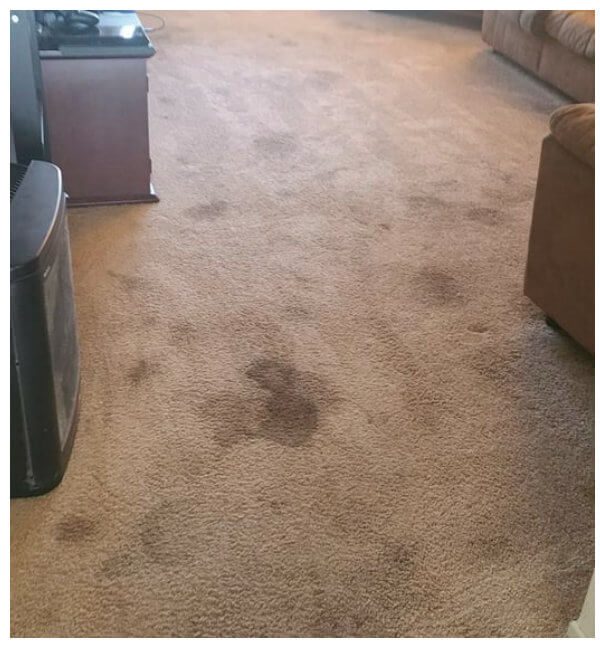
Carpet protector is one of those add-ons that sounds like an upsell. Sometimes it is. On the right parts of the right carpet it is the step that does the most to keep the carpet looking good between cleanings, and in other rooms it is money you do not need to spend.
Here is the honest version: what protector does, where it is worth it, where it is not, and what it cannot do.
What carpet protector actually does
Protector is a clear treatment that coats each fiber. The comparison we use on our carpet and rug cleaning page is wax on a car’s finish. It changes how the surface of the fiber behaves in two ways.
Spills bead instead of soaking in. Liquid sits on top of the pile for a while instead of wicking straight into the fiber. That is the window in which you can blot it up with a clean white cloth before it becomes a stain.
Dry soil does not cling. This is the half people forget, and on traffic lanes it is the half that matters more. Grit that would otherwise lodge against the fiber stays closer to the surface, where a vacuum can pick it up. Grit is what wears carpet out, because it cuts the fiber every time someone walks across it, and that kind of damage is permanent.
We use the newest generation of Scotchgard® Protector. We chose it because, in our research, it is the most environmentally friendly and the safest protector available.
Where protector is worth it
Traffic lanes, entries, and halls. The path from the front door to the kitchen, the hall to the bedrooms, the doorway to the deck. This is where grit arrives and where carpet wears first. On most of the jobs where we recommend protector, we recommend it here and nowhere else, and the lanes are usually a fraction of the area of the house.
Stairs. Every step is a traffic lane, and the nosing takes the most wear of anything in the house.
Light-colored carpet. A spill that would disappear into a dark or patterned carpet shows on cream or pale grey. The extra minutes to blot make the most difference here.
Pets and kids. Spills, accidents, muddy paws, and body oil where the dog lies. Protector will not undo an accident that has soaked through to the pad (there is more on that in what cleaning can and cannot fix with pet odor and stains), but it does help a fresh one stay on the surface long enough to deal with.
Wool. Wool hides soil well, so grit can sit in a wool traffic lane for a long time before anyone notices. It also does not tolerate aggressive spot cleaning at home. Protector on light wool and on wool traffic lanes buys time and reduces how often anyone reaches for a stronger product. The rest of what wool needs is in our wool carpet cleaning post.
Trail households. In Mill Valley, between the trails and the dogs that use them, the soil coming through the door is abrasive. Re-applying protector on the traffic lanes at each visit is the single step that does the most to put off replacing the carpet.
Where it is not worth it
A room nobody walks in. A guest room used twice a year or a formal dining room that sees holiday traffic and little else does not collect much grit. Protector there is fine, but it is not doing much for you, and we would rather tell you that.
Carpet you are about to replace. If the carpet is going out next year, clean it if it needs cleaning and skip the protector.
Sisal, jute, and seagrass. These plant-fiber carpets and rugs are not suited to hot water extraction at all, and we do not wet-clean them. We recommend an in-plant cleaner for them instead, so protector after one of our cleanings does not come up.
What protector cannot do
It is not stain-proofing. It improves your odds. A spill left to soak overnight, a strong dye, or bleach can still mark protected carpet.
It does not stop abrasion entirely. It keeps grit nearer the surface, but grit still has to be vacuumed out. Protector works alongside regular vacuuming, not instead of it.
It wears off. Foot traffic wears it away, fastest exactly where you need it most, and each cleaning removes some of it. That is why protector is re-applied at cleaning rather than bought once for life. Even stain-resistant carpets like STAINMASTER® arrive with protection that wears down and needs rejuvenating, and some manufacturer warranties require periodic cleaning and re-protecting. Check the paperwork for your carpet and keep the receipt from each cleaning.
Why it goes on after a residue-free rinse
Protector bonds to whatever is on the fiber. If that is soil, or detergent left behind by a cleaning that did not rinse, the protector seals it in, and detergent residue attracts soil on its own. You end up paying for a coating over a problem.
Our process ends with a hot rinse extracted immediately by the truck-mounted unit, so the carpet is left pH balanced and essentially residue-free. That is the surface protector is meant to go onto. It is also why protector belongs at the end of a cleaning, not as a standalone spray on carpet that has not been cleaned in a while.
Spray cans versus professional application
Hardware-store protector sprays are not useless, but they have the same weaknesses every time.
- Coverage is uneven. It is hard to put down a consistent coat by hand from an aerosol, so some areas get too much and some get almost none.
- They usually go onto dirty carpet. Sprayed over soil and old residue, protector locks in what is already there.
- It is easy to miss what matters. A light pass over the top of the pile does less than a coat that reaches down the fiber.
Professional application goes onto carpet that has just been rinsed clean, in a measured, even coat, and it is worked into the pile rather than left on the tips. It is also targeted. We put it where you ask, which for most houses means the lanes, the stairs, and any light-colored rooms.
Fabric protector on upholstery
The same logic applies to sofas and chairs. Fabric protector helps spills bead on the surface long enough to be blotted and keeps dry soil from clinging, which matters most on light fabrics and on the pieces that get used every day. Many fabrics had protector applied at the mill, and some of it wears off with use, so re-applying after cleaning rejuvenates it. We apply it on fabrics that accept it and will tell you if yours does not. Details are on our upholstery cleaning page.
So, is it worth it?
On the traffic lanes, the stairs, light carpet, wool, and anywhere pets and children spend their day, yes, and it is worth re-applying each time the carpet is cleaned. In rooms that see little traffic, or on carpet that is on its way out, probably not. How often to clean in the first place is covered in how often you should clean carpet.
Text us a few photos of the traffic lanes and tell us who lives in the house. We will tell you where protector would earn its keep and where it would not. Estimates are free, and you can ask for one on our contact page.
Frequently asked
Is carpet protector worth it after professional cleaning?
On traffic lanes, entries, stairs, light-colored carpet, and wool, usually yes. It buys you time to blot a spill before it becomes a stain, and it keeps dry soil from clinging, so vacuuming picks up more. In a guest room nobody walks in, or on carpet you are replacing next year, it is not worth paying for.
How long does carpet protector last?
It depends on traffic, not on the calendar. Protector wears off where people walk and is partly removed by each cleaning, so traffic lanes lose it first. That is why we re-apply it on the lanes at each visit rather than treating it as a one-time job.
Does stain-resistant carpet like STAINMASTER® need protector?
Yes, eventually. Stain-resistant carpet has protection applied when it is made, but that protection wears down with foot traffic and cleaning like any other. Re-applying it after cleaning rejuvenates it, and some manufacturer warranties expect cleaning and re-protecting on a schedule.
Does carpet protector make carpet stain-proof?
No. It makes spills bead on the surface for a while so you can blot them up, which gives you a much better chance. A spill that is left to soak in, or something like bleach or a strong dye, can still stain protected carpet.
Can I use a spray can of carpet protector myself?
You can, but it is hard to get an even coat from a spray can, and spraying over carpet that has not been rinsed clean seals soil and residue in rather than keeping it out. Protector works best on clean, residue-free fiber, applied evenly, which is why it is normally done right after a professional cleaning.
Related reading
Carpet & Rug
How Long Does Carpet Take to Dry After Cleaning? A Marin Guide
Truck-mounted cleaning usually leaves carpet dry in four to eight hours. What stretches that in Marin, how to speed it up, and signs carpet is not drying right.
Read the postCarpet & Rug
How Often Should You Clean Carpet? A Schedule for Marin Households
How often carpet needs a professional cleaning depends on what walks across it. A plain schedule by household, from quiet homes to dogs, trails, and fog.
Read the postCarpet & Rug
Wool Carpet Cleaning: What Wool Needs That Synthetic Carpet Does Not
Wool carpet absorbs more water, reacts to high pH and heat, and can brown or bleed. What a safe cleaning looks like and what to avoid at home in Marin.
Read the postReady for a cleaner home?
Call or text us for a free, no-pressure estimate. We’ll give you an honest assessment of what your space needs, and what it doesn’t, at an upfront price, with no surprises.